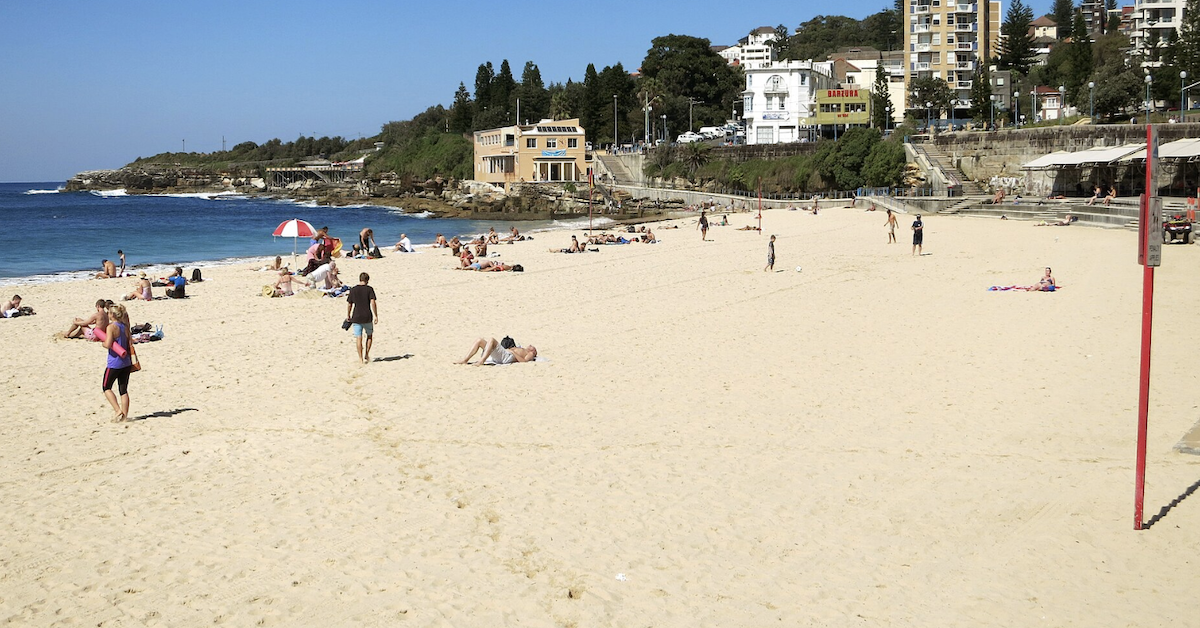
Morning swimmers gathering along the Coogee promenade after a heavy downpour often face a familiar sight of discoloured water rolling onto the sand. The newly released 2026 State of the Beaches survey confirms that Coogee remains Sydney’s most microbial-vulnerable ocean stretch, retaining its “poor” water quality grading while 97 per cent of New South Wales ocean beaches earned “good” or “very good” standings.
State environment monitors recorded 43 out of 245 total swimming locations across New South Wales—predominantly enclosed estuarine sites, rivers, and lagoon pools—in the “poor” or “very poor” bracket. Regional coastal stretches and neighboring eastern suburbs sites recorded cleaner metrics, with Malabar Beach and Manly’s Shelly Beach both stepping up from last year’s “poor” status to “good.”
Topography, urban runoff, and the mechanics of a natural trap
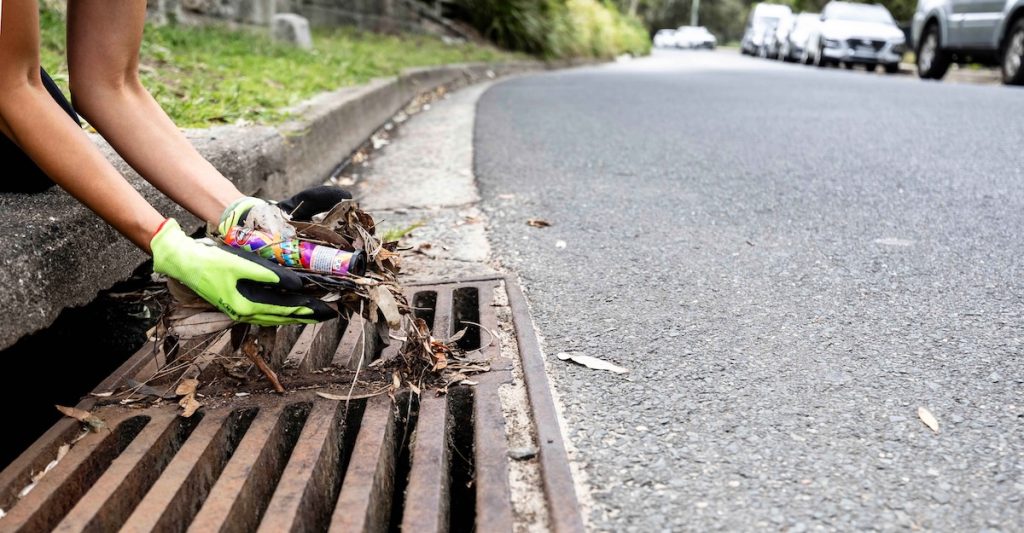
Coogee’s microbial struggles stem directly from a combination of local urban geography and coastal infrastructure. Sitting at the bottom of a steep, densely populated suburban catchment, the bay collects rapid stormwater runoff whenever heavy rain hits surrounding streets. Rainfall sweeps street waste, animal droppings, and urban pollutants straight into stormwater pipes discharging directly onto the sand.
Compounding the volume, Sydney’s regional sewer infrastructure includes engineered wet-weather relief points that operate during extreme storm events to discharge excess stormwater-sewage mixes into drainage channels to prevent residential back-ups.


Unlike long, open ocean strips like Maroubra or Bondi, Coogee’s horseshoe bay structure acts as a natural containment zone. University of Sydney civil engineering expert Professor Stuart Khan noted that rainwater contamination at Coogee lingers longer because the semi-protected headlands prevent rapid ocean flushing.
While Bondi rapidly clears contamination with open ocean currents, storm runoff trapped in Coogee’s bay can keep waters turbid for days. By contrast, deep-ocean wastewater outfalls kilometers offshore near Malabar contribute negligible amounts to local shoreline pollution, leaving surface stormwater runoff as the primary driver of microbial contamination.
Navigating rainfall risks along the eastern beaches
Randwick City Council maintains 235 kilometers of local drainage network alongside gross pollutant traps to filter physical debris before it hits the shoreline. However, state environmental health guidance emphasizes that infrastructure traps cannot intercept dissolved microbial matter after heavy rain events.
Swimmers facing “poor” rated waters are advised to avoid swimming during rain and for up to three days following heavy downpours, or whenever seawater displays visible discolouration. Real-time conditions and daily bacterial forecasts remain available through the state’s Beachwatch tracking portal.
Understanding these localised environmental factors allows residents to make informed decisions about when to swim. While dry weather generally delivers clear waters across the Eastern Suburbs, post-storm runoff requires caution.
Local ocean pools and alternative open-water locations offer safer choices while the bay naturally flushes following significant rainfall events. Ongoing regional infrastructure reviews and local catchment management efforts continue to seek long-term solutions for storm runoff along the coastline.
Published 25-Sept-2026