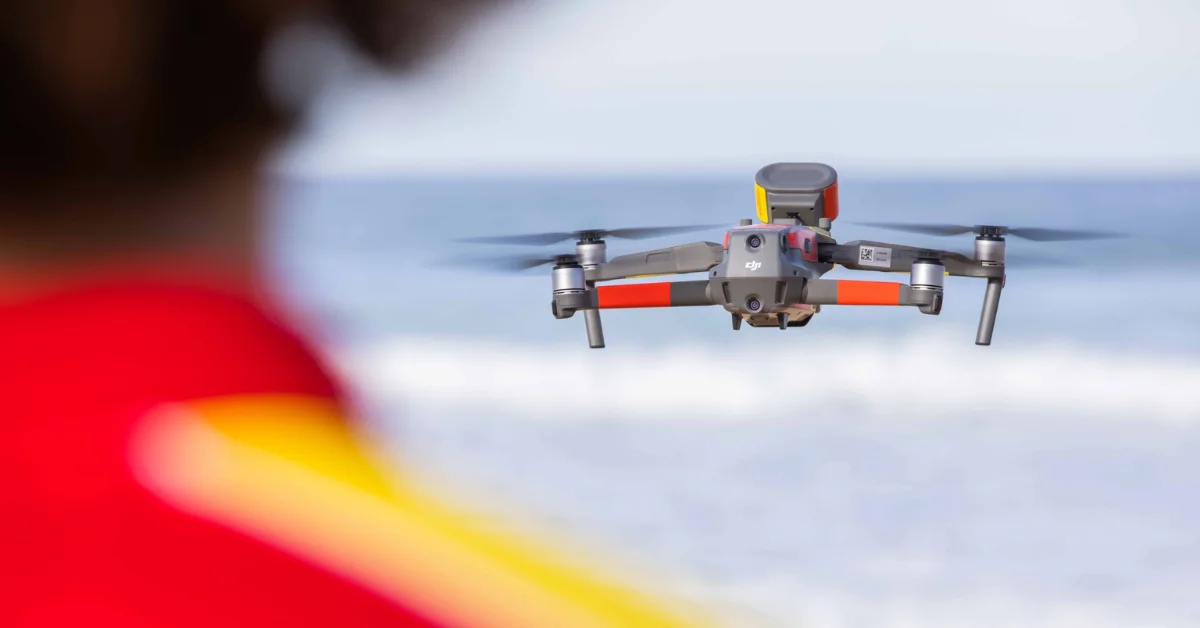
Coogee’s long record as one of Sydney’s popular swimming beaches has been shaken by a rare shark bite, with the reopening now centred on how beachgoers return under visible lifeguard patrols, JetSki sweeps and drone monitoring.
Coogee Beach Reopens Under Patrols After Shark Bite
Coogee Beach has reopened after a serious shark bite left a woman critically injured, shifting attention from the initial emergency response to how swimmers return to the water under heightened monitoring.
The woman, aged in her 30s, was bitten shortly before 11:15 am on Saturday 13 June 2026 while swimming close to shore at Coogee Beach. She was within the flagged area when the incident occurred.
Members of the public pulled her from the water and began first aid before emergency crews arrived. Lifeguards, police and paramedics responded, while an off-duty critical care doctor also helped stabilise her at the beach. The woman suffered serious injuries to her arm and leg and was taken to St Vincent’s Hospital in a critical condition.


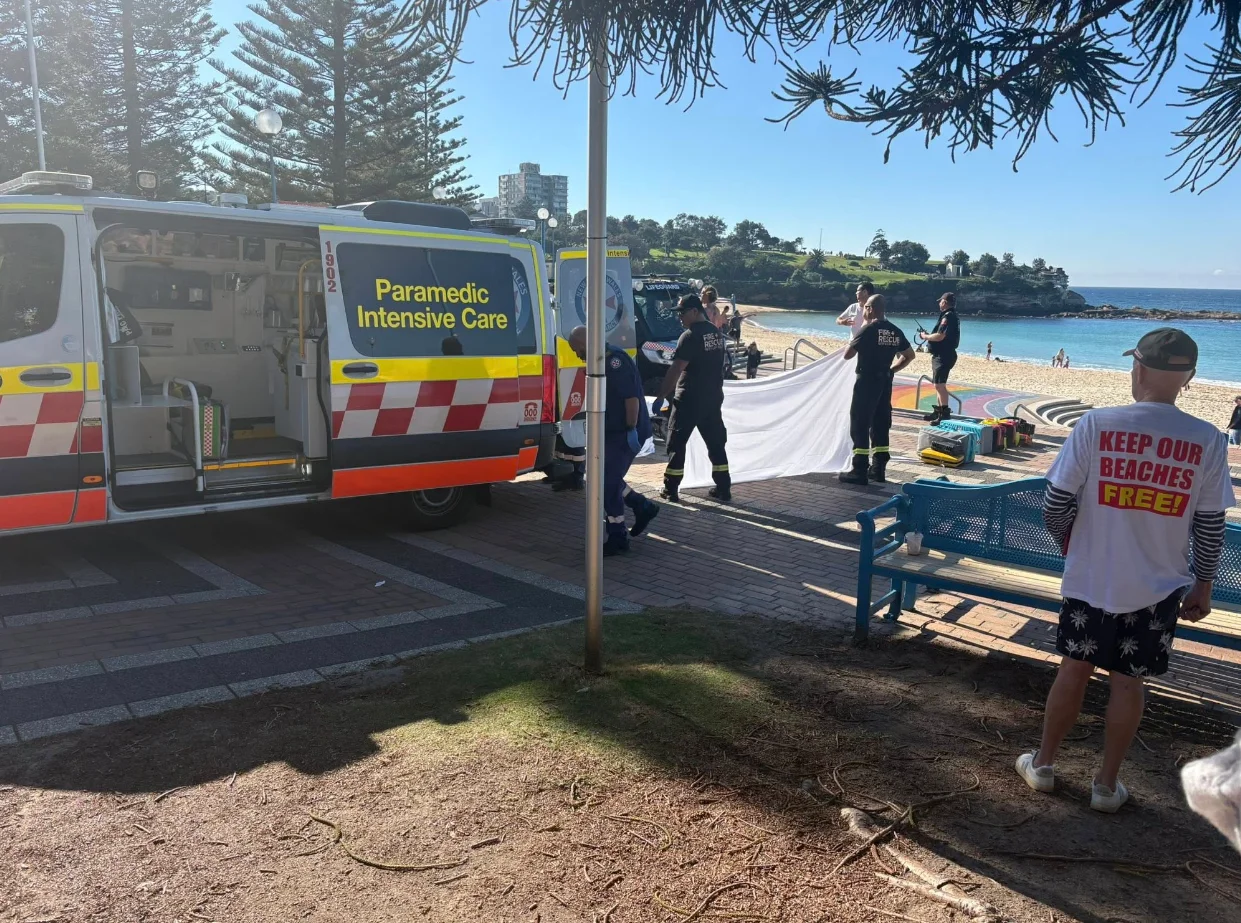
Coogee Oval was cleared during the response to allow a CareFlight helicopter to land, although later reporting said the woman was transported to hospital by road. The incident prompted beach closures across Coogee and nearby beaches, including Clovelly and Bronte, with wider closures also affecting parts of the eastern suburbs coastline.
Drone Monitoring Begins As Swimmers Return To Coogee
All Randwick City beaches have since reopened, with lifeguards continuing JetSki patrols and Surf Life Saving NSW operating a shark-spotting drone at Coogee Beach.
Swimmers have been advised to stay between the red and yellow flags and follow lifeguard directions. The reopening marks a shift from closure to active monitoring, with visible patrols now forming part of the beach’s return after the rare incident.
The shark involved was believed to be between three and four metres long. Its species has not been confirmed. Drone and helicopter footage taken after the attack showed a large shark in nearby waters, with some observers and experts saying it appeared likely to be a white shark.
The incident was considered unusual because it happened in clear, cooler water. Earlier shark activity over summer had been linked by experts to murkier conditions after heavy rainfall, which can draw smaller fish closer to shore and attract sharks.
Rare Shark Bite Shakes Coogee’s Beach Routine
The Coogee shark bite has drawn attention because fatal shark attacks at the beach have not been recorded for more than 100 years. Two young men were killed in shark attacks at Coogee during the summer of 1922, but no fatal shark incident has been recorded at the beach since then.
That long gap has made the weekend bite a rare and serious event at a beach closely associated with regular swimming, walking and surfside activity. It has also reinforced that low-frequency risks can still emerge, even at a patrolled beach and even when swimmers are close to shore.
Experts have noted that white sharks can move near shore and through surf zones. In this case, the swimmer was reported to have been between the flags and close to the beach when she was bitten.
Coogee Drone Watch Becomes Part Of The Reopening
The incident has also placed renewed focus on shark-spotting drones. Drone surveillance has been expanded across many NSW beaches following recent shark incidents, but routine drone operations at Coogee Beach had been restricted because of flight path rules.
A temporary exemption was later granted to allow drone use around Coogee after the attack. With beaches now reopened, the drone operating at Coogee has become part of the visible safety response, alongside lifeguard patrols and JetSki sweeps.
The renewed drone presence does not change the rarity of the incident, but it has become a clear part of the beach’s recovery. For many beachgoers, the immediate question is not only whether the water is open, but how closely it is being watched.
The latest reopening has therefore become about confidence as much as access. Coogee Beach is again open to swimmers, but the return is taking place under clear directions, visible patrols and continued shark-spotting efforts.
For swimmers, the standing safety advice remains to stay close to shore, swim in patrolled areas, avoid dawn and dusk, avoid murky water, and stay away from river mouths, estuaries and fishing areas.
As beachgoers return to Coogee, lifeguards and Surf Life Saving NSW are continuing patrol and drone operations, keeping the focus on monitored swimming while the woman remains in a critical condition after the weekend attack.
Published 15-June-2026