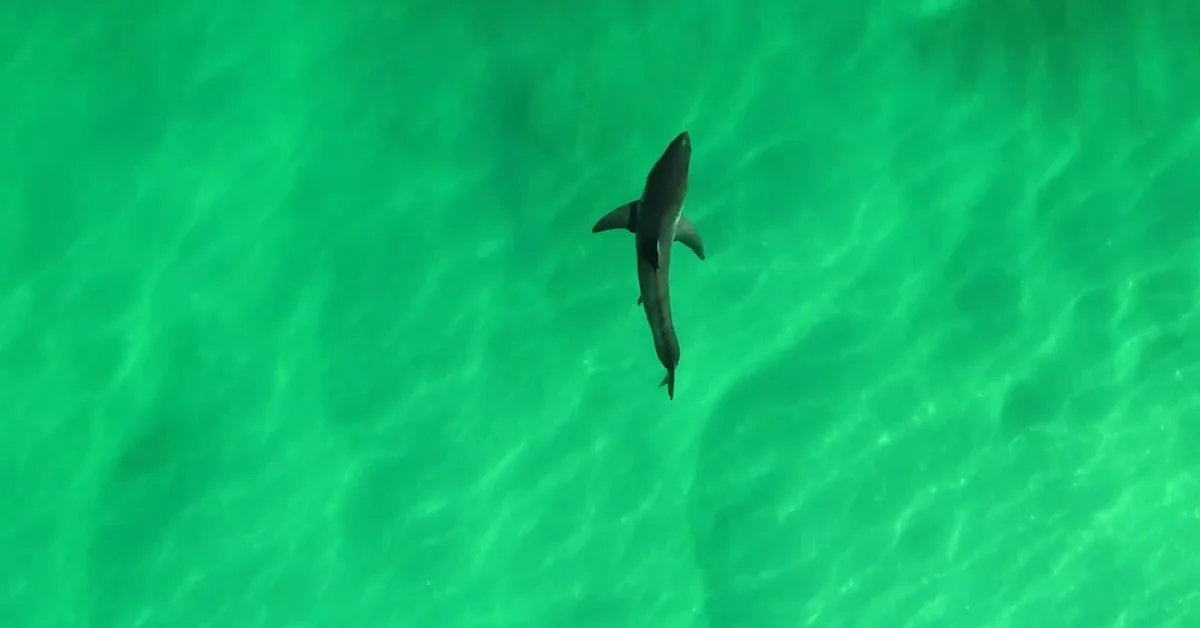
A serious shark bite at Coogee has turned attention to whether AI-assisted drones could help detect dangerous sharks faster and give swimmers earlier warnings.
Coogee Shark Bite Sharpens Safety Calls
Coogee Beach has become the centre of renewed attention on shark surveillance after a serious attack left a swimmer critically injured and brought drone monitoring into sharper public focus.
Leah Stewart, a 35-year-old mother and teacher, was attacked by a great white shark while swimming between the flags at Coogee on Saturday. She has undergone multiple surgeries and had her left arm amputated.
The beach was closed after the incident and later reopened with drone surveillance. The attack has since shifted attention from short-term beach closures to the longer-term question of how sharks can be detected sooner and how swimmers can be warned more quickly.


That discussion now includes year-round drone monitoring, a permanent shark listening station and the possible use of artificial intelligence to strengthen aerial surveillance.
Year-Round Drone Push Builds Around Coogee
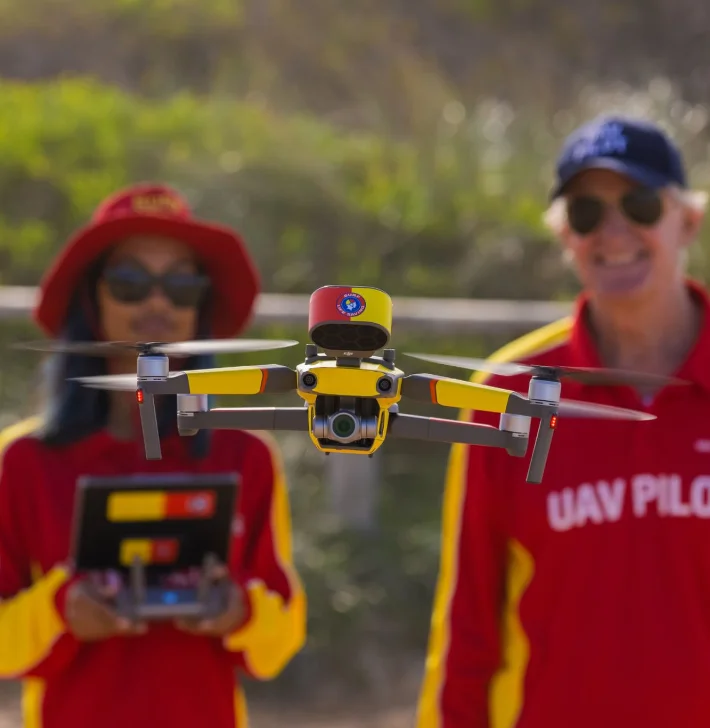
Randwick City authorities have passed an urgent motion requesting funding for year-round aerial drone surveillance at suitable beaches in the area, including Coogee.
The motion also called for a permanent shark listening station to detect and monitor tagged sharks. Listening stations are already listed at Bondi and Maroubra, but not at Coogee, which sits between the two beaches.
Ms Carolyn Martin, who brought the motion, said practical measures were needed to improve safety and help swimmers and beachgoers regain confidence in the water.
Existing shark mitigation measures at Coogee include a shark net deployed annually between September and March, and a drumline used to intercept sharks for tagging and release. Martin also raised concern that some locals and visitors may not know when the shark net is operating, and called for electronic signage to show which measures are in use.
AI Drones Could Add Speed To Warnings
The push for stronger surveillance has renewed interest in AI-assisted drone detection.
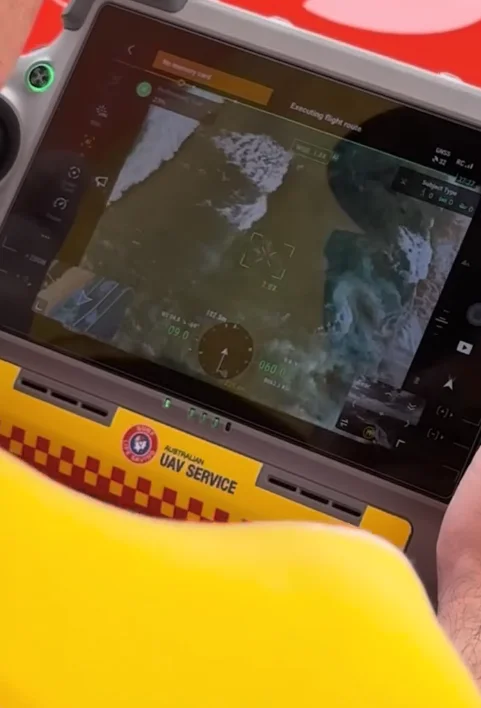
Macquarie University Professor Culum Brown has said autonomous drones fitted with onboard sensors and artificial intelligence could detect sharks from the air. In a more advanced system, a drone could identify a shark, track its movement and send information back to a base, helping beach safety teams issue warnings sooner.
Emeritus Professor Rob Harcourt, also from Macquarie University, has said autonomous drones and AI shark recognition technology are either available or close to available.
The technology would not replace lifesavers or drone pilots. It would add another layer to existing patrols, giving beach teams more information when sharks are seen close to swimmers.
Any rollout would still depend on accuracy. Beach safety teams are mainly concerned with white, tiger and bull sharks, and too many false alarms could lead to unnecessary evacuations if dolphins, grey nurse sharks or wobbegongs are mistaken for dangerous species.
Flight Permissions Changed After The Attack
Coogee did not have drone use before the attack because of restrictions linked to the area being under a flight path.
Additional permission has since been granted for Surf Life Saving NSW to fly drones over Coogee in the commercial airline path under emergency services arrangements. Drones are now operating at the beach.
The change has drawn attention to uneven drone coverage across Sydney’s coastline, where patrols depend on location, permissions, season and conditions.
Surf Life Saving NSW chief executive Steven Pearce has said drones monitor sharks across 80 NSW beaches during warmer months and 13 during winter. He has also said the organisation flies drones according to schedules based on shark data, incident data and beach visitation.
Pearce has confirmed that although additional permissions have been granted, funding for the program has not changed.
Local Confidence Returns Slowly
The attack has also affected businesses and regular beach users around Coogee.
Business Sydney executive director Paul Nicolaou said it was too early to know whether the incident would have a lasting effect on tourism, but greater drone coverage could help maintain confidence among visitors and locals.
Craig Wachholz, founder of eastern suburbs surfing business Let’s Go Surfing, said his business lost two days of trade after beach closures. He said people were already returning to the water by Wednesday morning, reflecting the resilience of regular ocean users.
Wachholz said he wanted to see a mitigation plan that included technology and drones.
Coogee Sits Within A Wider Shark Safety Network
Coogee is part of a broader shark safety system that already includes drone patrols, SMART drumlines, tagged shark listening stations, shark nets, the SharkSmart app, education campaigns and community shark bite kits.
For the Randwick area, listed measures include SMART drumlines, one surveillance drone, one tagged shark listening station and shark nets. The tagged shark listening station listed for Randwick is at Maroubra Beach.
Surf Life Saving NSW also runs some autonomous drone operations from its head office in Belrose for remote areas, showing how drone surveillance can be supported both on the beach and away from the shoreline.
For Coogee, the immediate change is visible in the drones now operating above the beach. The longer-term issue is whether year-round surveillance, clearer signage, listening station coverage and AI-assisted detection can work together to give swimmers earlier warnings without overstating what technology can guarantee.
Published 16-June-2026