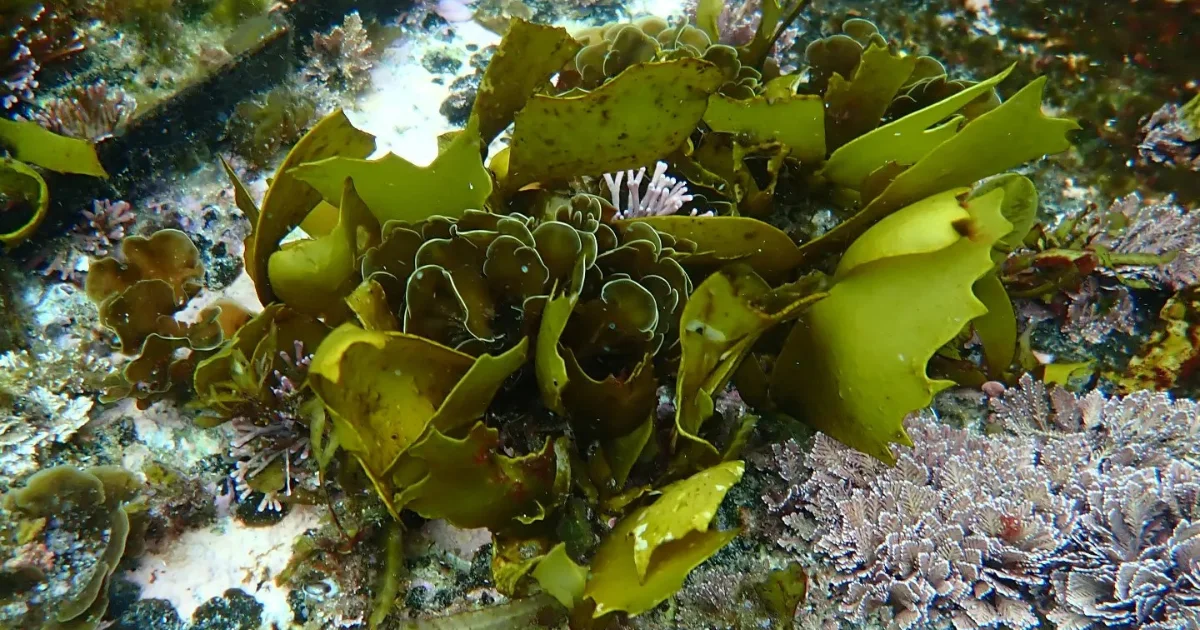
Near Wylie’s Baths in Coogee, Operation Crayweed is restoring a section of Sydney’s long-lost underwater seaweed forests, with the suburb now a key site in efforts to return crayweed to the coastline.
Read: For More Than a Century, Wylie’s Baths Remains Significant to Coogee and Sydney Locals
Crayweed (Phyllospora comosa) once formed extensive underwater forests along Sydney’s coast, spanning more than 70 kilometres. By the 1980s, it had disappeared from metropolitan reefs, most likely due to pollution. Its loss removed a foundation species that provides habitat, nursery grounds and nutrient absorption for marine ecosystems.
Researchers from the University of New South Wales, working with the Sydney Institute of Marine Science through Operation Crayweed, are leading restoration efforts across multiple sites, including Coogee. More than 20 marine locations along Crown land have been made available for the project, stretching from Whale Beach to Little Bay.
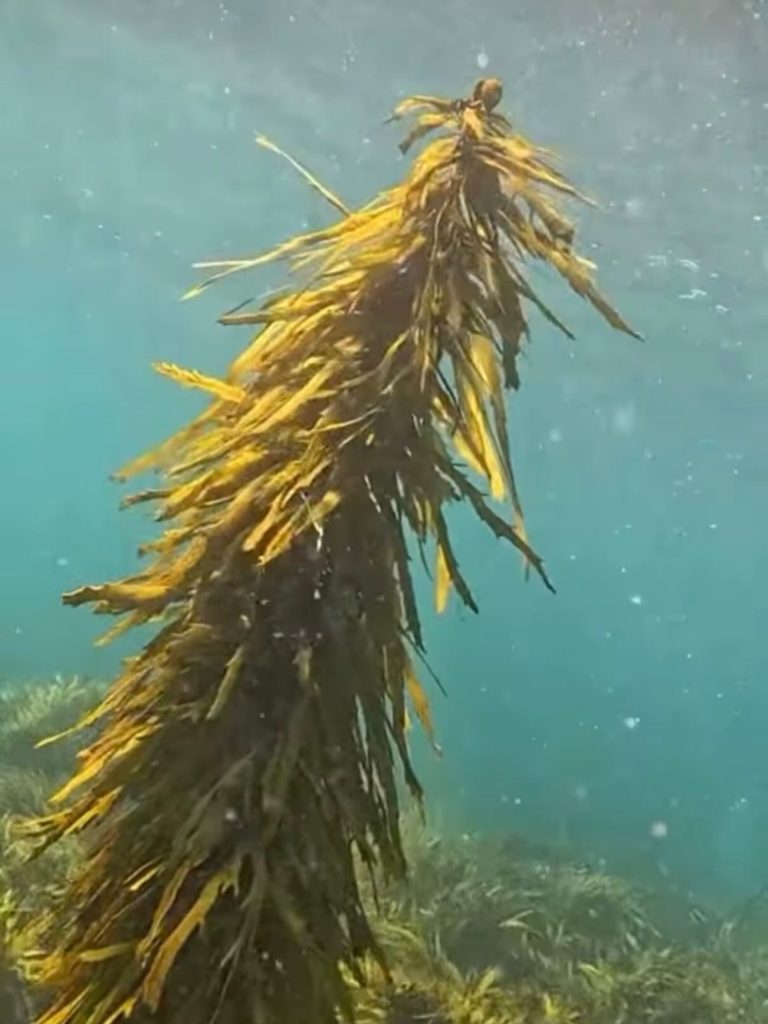
At Coogee, scientists are restoring a two-hectare crayweed forest by transplanting healthy, fertile plants from existing populations onto the reef. The seaweed is secured using biodegradable mats, allowing it to attach and reproduce. Once established, the plants release spores that grow into new individuals, referred to as “craybies”, supporting the development of a self-sustaining habitat.


According to project researchers, restored areas are showing signs of recovery, with some locations experiencing crayweed regrowth. Crayweed forests provide structure and shelter for species such as abalone, rock lobsters, blue groper and giant cuttlefish, while also contributing to nutrient cycling and carbon capture.
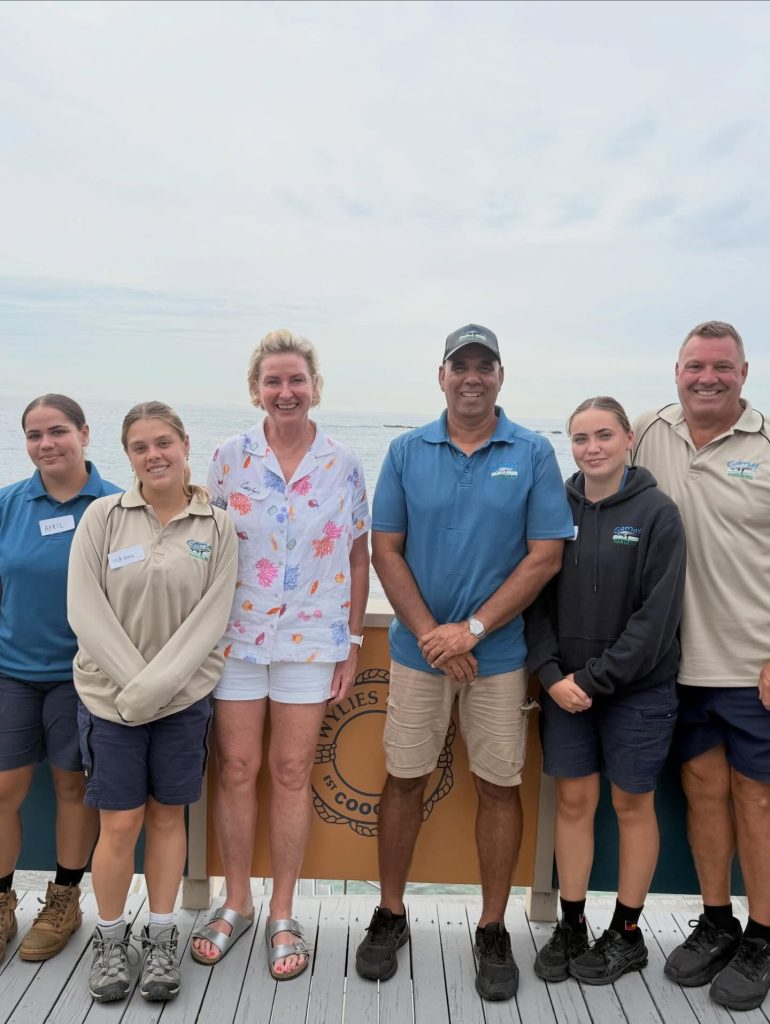
The Coogee site is also part of a public naming initiative. Three shortlisted names, Yanggaa Forest, Dhanj Forest and Coogee Kelp Forest, were selected through community consultation, including input from swimmers, surfers, divers, students, academics, Randwick Council representatives and Aboriginal community members from the Gamay Rangers.
The shortlisted names draw on Dharawal language and local context. “Coogee” is believed to derive from a Dharawal word referring to the smell of seaweed on the beach, while “Yanggaa” and “Dhanj” mean “lobster” and “fish” respectively. Public voting is open, with the final name to be announced on 23 April.
Beyond Coogee, restoration sites include Maroubra, Wedding Cake Island and Dee Why, with some locations already reporting crayweed regrowth. Although crayweed remains present in northern and southern New South Wales, it did not naturally return to Sydney’s metropolitan coastline, even after water quality improved following the introduction of deep ocean outfall systems in the 1990s.
Read: Wylie’s Baths Upgrade Completed in Time for Summer
Operation Crayweed uses direct transplantation to reintroduce crayweed to areas where it had disappeared. The project involves collaboration between researchers, partner organisations and community participants.
Published 15-April-2026