




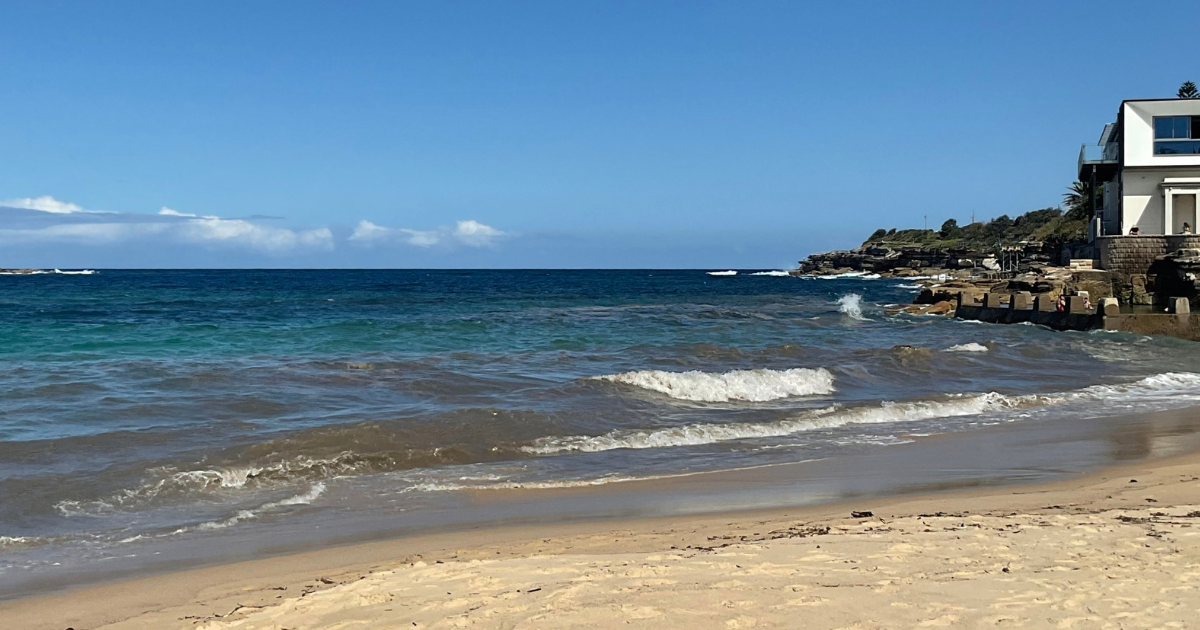
An algal bloom affecting the city’s coastline from Coogee to South Maroubra in March 2023 has prompted officials to issue a warning against swimming from Sydney’s popular beaches until the water is clear.
Read: South Coogee to Maroubra Coastal Walkway Reopens
Aside from the beaches between Coogee and Maroubra, ocean baths such as Wylie’s Baths and Mahon Pool may also be affected by algal bloom.
Randwick City Council has not closed the beaches and baths but they warned the public to avoid swimming once they see a discolouration in the water.

Algal blooms are a natural phenomenon which discolour the water and although most algae are harmless, some types of cyanobacteria can cause serious health problems to people, including skin irritation and gastrointestinal illnesses.
It may also affect pets, hence pet owners are being advised to keep their animals out of the water.
What You Need to Know About Algal Blooms

“Blooms” are formed when blue-green algae or cyanobacteria quickly grows, which normally happens in warm and nutrient-rich water.
Contact with blue-green algae, even in the absence of toxins, may result in skin irritations and rashes. Cyanobacterial rash tends to be large and itchy and is being compared to intense eczema.

In severe cases, the toxins from cyanobacterial blooms may cause damage to the liver and nervous system.
According to Water Quality Australia, cyanobacteria can reproduce quickly in favourable conditions, where there is abundant sunlight, still or slow-flowing water, and sufficient levels of nutrients, especially nitrogen and phosphorus.
Read: History of Coogee from the 1900s to 2000s
Nitrogen and phosphorus, in excessive levels, may cause an overgrowth of algae in a short period of time. Some of their external sources include agricultural fertilisers, household products, sewage effluent, and stormwater runoff.
Published 7-March-2023


