
Coogee Wastewater Upgrades Planned After Debris Ball Incidents

A 10-year wastewater upgrade program has been announced after debris balls washed ashore at Coogee, with works focused on the Malabar treatment system linked to the incidents.


When The Debris Balls Appeared

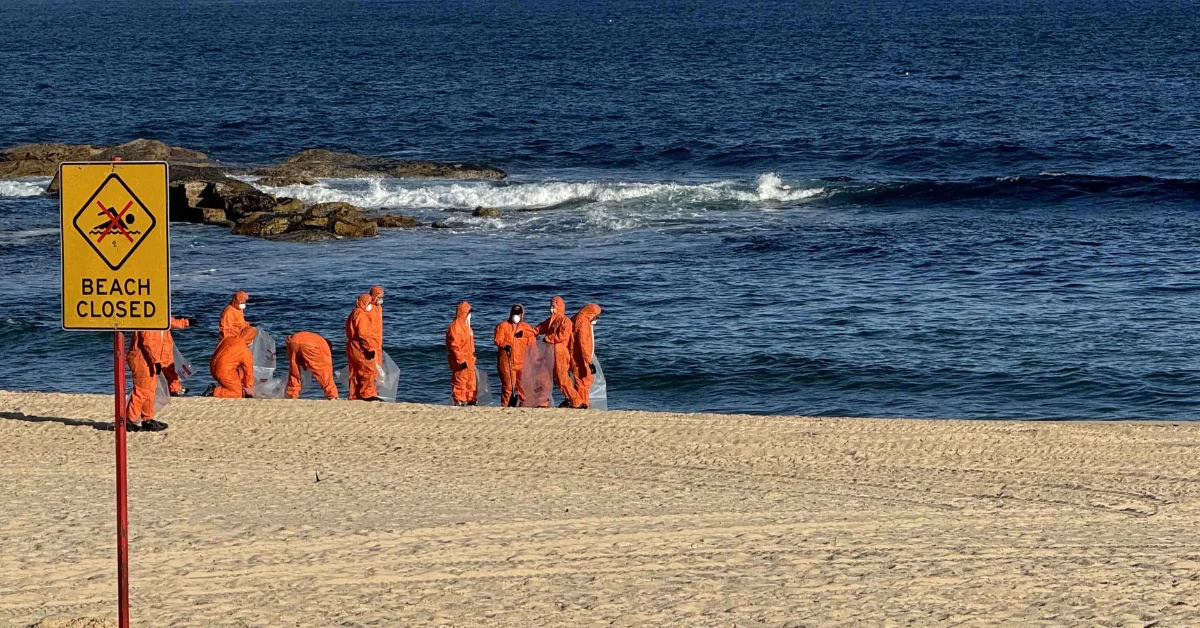
Debris balls were reported on Sydney beaches from October 2024 to January 2025, including at Coogee Beach. The material raised water safety concerns and led to beach closures during clean-up and testing. In January 2025, nine beaches were closed after greasy debris was found on shore.
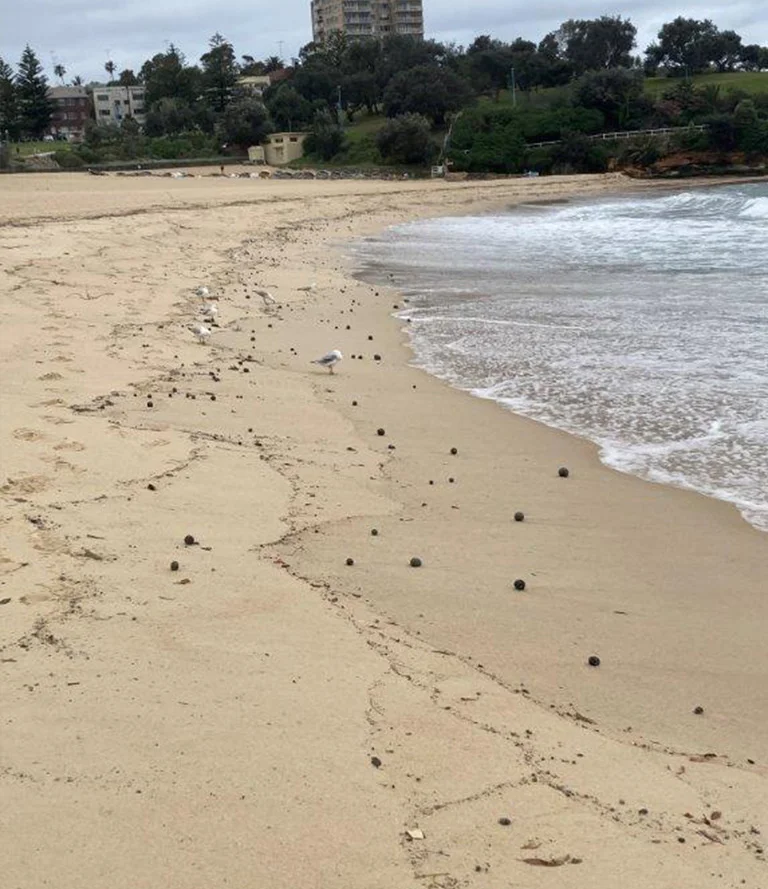
Coogee debris balls
Photo Credit: RandwickCityCouncil

What Testing Found

Testing by the NSW Environment Protection Authority indicated the debris most likely originated from the Malabar wastewater treatment system.

An EPA update described the material as containing mainly fatty acids, along with a smaller portion of petroleum hydrocarbons and other materials such as human hair and fibres.

What The Upgrade Program Covers

A $3 billion investment program is planned over 10 years to reduce the volume of wastewater needing treatment and discharge through the Malabar deep ocean outfall.

The Malabar system is one of the largest wastewater networks in Australia and services close to two million people, including areas such as Fairfield, Campbelltown and Liverpool.

First Facilities In Line

Early works are set to upgrade the Glenfield and Liverpool facilities, including refurbishments and expanded processing capacity. A secondary treatment process is planned for Liverpool as one of the first major developments.

Other Steps Alongside Construction

Additional measures flagged as part of the response include increased cleaning and inspection of ocean outfall screens, tighter trade-waste controls for higher-risk customers, and an expanded education campaign targeting fats, oils and grease entering the network.
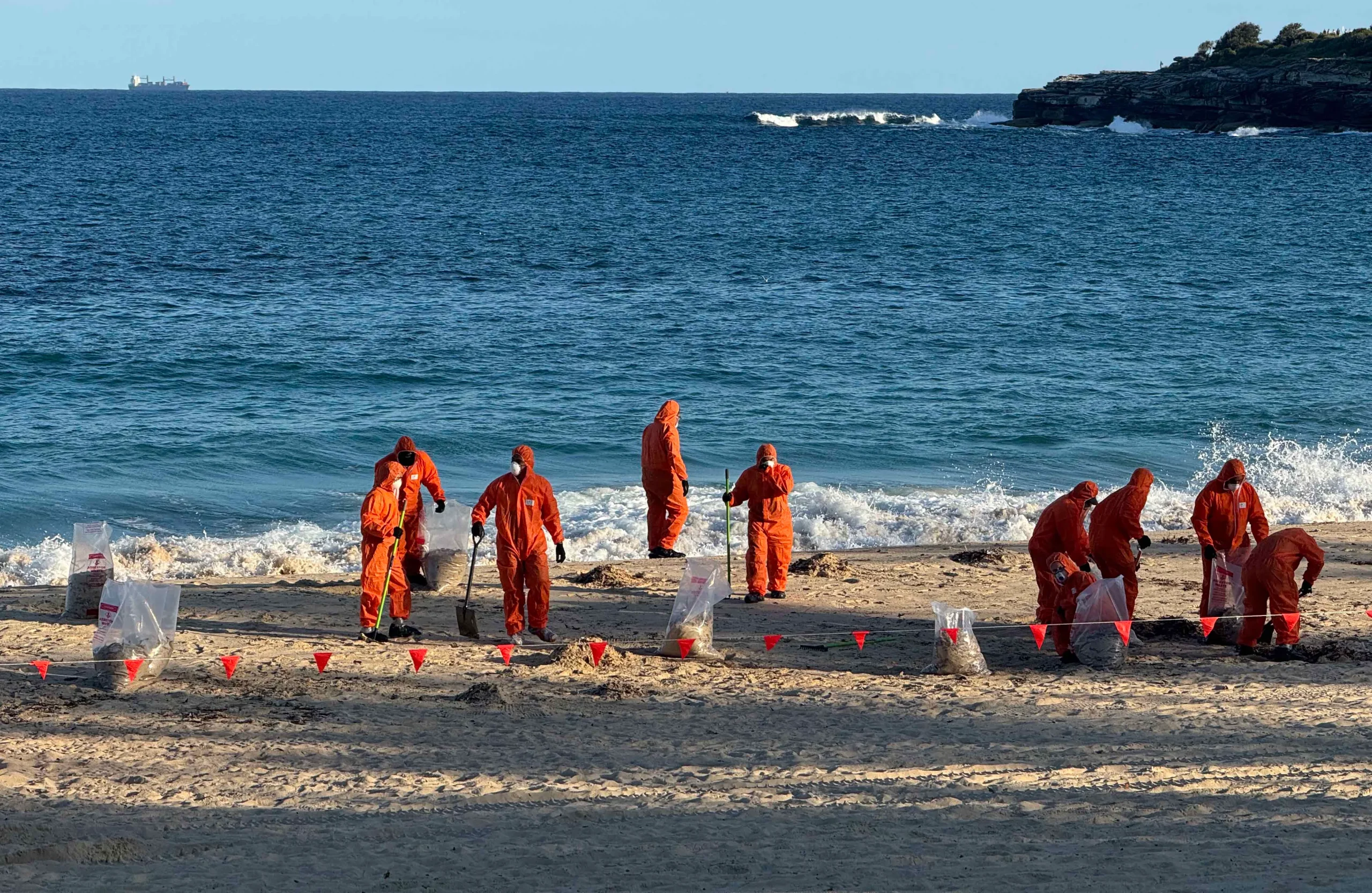
wastewater upgrades
Photo Credit: RandwickCityCouncil

What Happens Next

Sydney Water, the NSW EPA and an independent wastewater expert panel are expected to continue working together over the coming decade to reduce the likelihood of debris balls reappearing on beaches, including Coogee.


Most disruption is expected to be localised near facilities, mainly construction noise and truck movements.

Published 19-Jan-2026

Malabar Wastewater System Linked to Beach Debris in Coogee

Sydney Water’s Malabar Wastewater Treatment System has been identified as the likely source of debris balls that washed up on Coogee and other NSW beaches between October 2024 and February 2025.


Background and Findings

The NSW Environment Protection Authority (EPA) confirmed the findings following an investigation that traced the origin of the debris to the Malabar system. The determination was based on evidence collected by Sydney Water under a Preliminary Investigation Notice. An independent wastewater expert panel reviewed the findings in September 2025 and advised further studies to identify specific sources within the system.

Coogee beach debris
Photo Credit: RCC/Facebook

Scientific Explanation

A scientific report obtained by other media found that fats, oils and greases had accumulated inside sewer pipes before being dislodged by heavy rainfall and expelled through the Malabar ocean outfall. These materials later formed the debris balls that appeared on beaches, including Coogee.

Wave action and ocean conditions allowed the debris to move across several beaches between October 2024 and February 2025.

Composition and Contributing Factors

Tests indicated that the debris balls contained soap scum, cosmetics, human hair, petroleum hydrocarbons, fatty acids, and bacteria linked to wastewater. The main cause was the build-up of fats, oils and grease within the network. Population growth and an increasing number of food outlets were identified as contributing factors.

debris balls
Photo Credit: RCC/Facebook

Preventive Measures and Upgrades

Sydney Water said investigations are continuing to shape short-, medium-, and long-term measures to prevent future incidents, with completion expected by the end of 2025.

The utility is implementing new programs to reduce fats, oils and grease entering the wastewater system and upgrading infrastructure across Sydney. Planned projects include upgrades to the Malabar, Bondi, and Georges River systems, improvements at North Head, and a new facility at Camellia by 2031.

Support for Local Councils

Sydney Water has acknowledged the financial impact of clean-up operations and committed to assisting local councils with related costs. Claims between Palm Beach and Gerroa will be reviewed based on wind and tide data.

Community Awareness and Next Steps


Residents are urged not to touch debris balls and to report sightings immediately through Sydney Water’s 24-hour hotline. The EPA will continue working with Sydney Water as investigations progress and will update the public when new information becomes available.

Published 3-Nov-2025