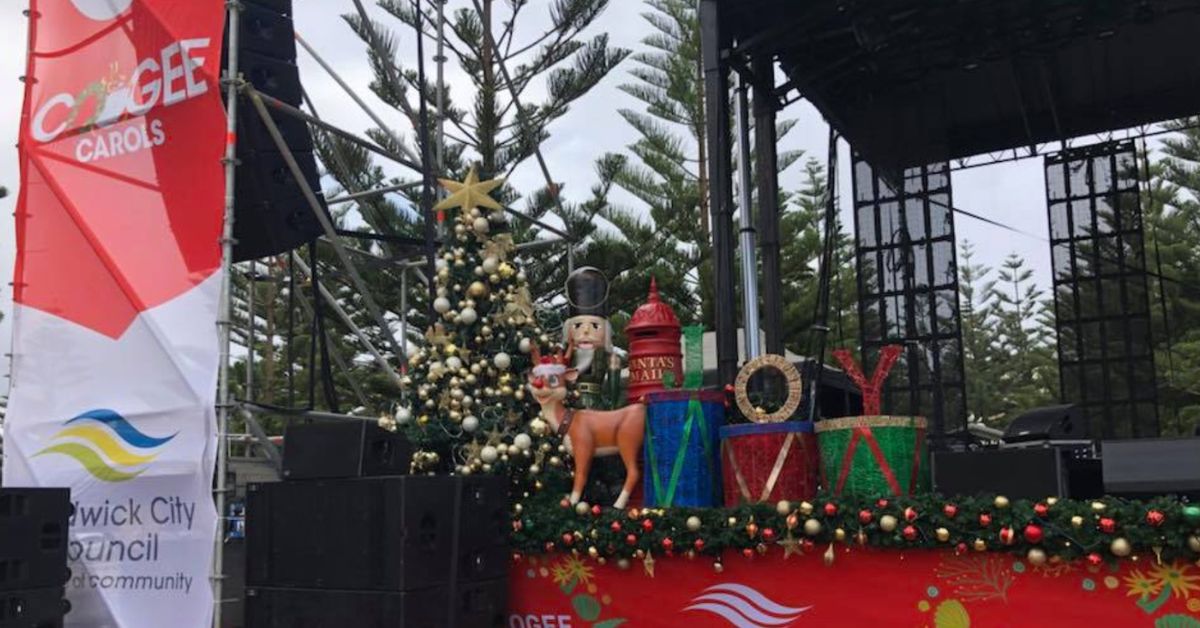
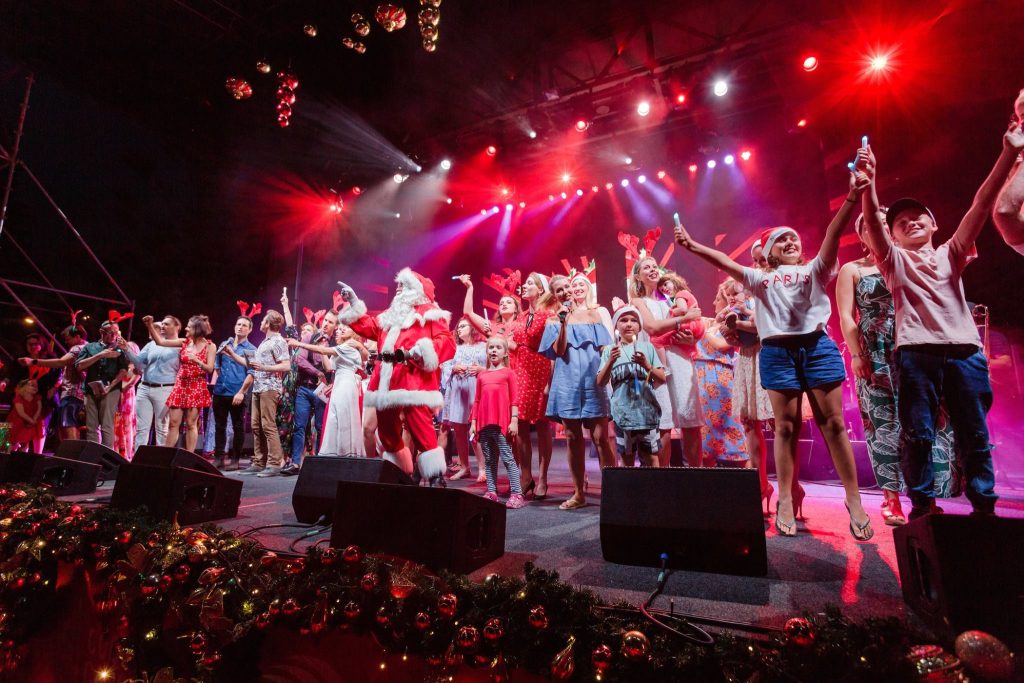
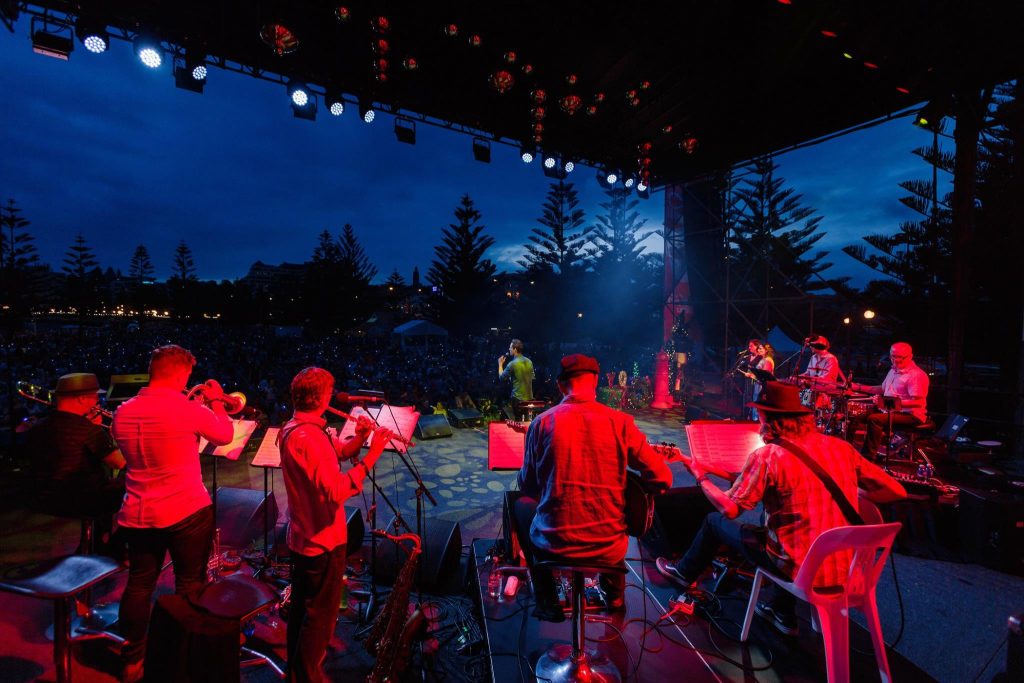
Find your spot at the Goldstein Reserve, behind Coogee Beach on Sunday, the 18th of December 2022, as the Coogee Carols returns for its 21st year. The FREE music festival will start at 6:30 p.m. with performances from celebrities and local talents backed by a seven-piece band.
As with previous carols, Santa Claus is expected to make his special appearance.
Photo Credit: TheCoogeeCarols/Facebook
This joyous event attracts crowds from all over Sydney but large TV screens will be placed around the reserve so everyone can watch and enjoy. The fireworks display will cap the exciting night off at 9:30 p.m.
“The Coogee Carols is a signature Council event that has been sorely missed for the past two years,” said Dylan Parker, Mayor of Randwick.
“We’re looking forward to getting back out there to celebrate the season and enjoy the amazing community in which we live.”
Photo Credit: TheCoogeeCarols/Facebook
Before the Coogee Carols, Randwick City Council will also run the following events in early December. Mark your calendars and round up your family and friends to celebrate Christmas in the Eastern Suburbs:
WHAT
WHEN
WHERE
South Maroubra Christmas Party
Saturday 3rd December 20222pm – 5pm
South Maroubra Village Greencnr Malabar Rd and Meagher Ave
Carols by the Sea
Saturday 3rd December 20226pm – 9pm
Grant Reserve, Coogee
Christmas Carols and Street Party
Sunday 4th December 20224.30pm – Street Party6pm – Carols
St Luke’s Anglican Churchcnr Arden and Varna St, Clovelly
Following the removal of the Coogee Pier Pylons, a motion has been set in place to consult with local artists, and possibly launch a competition, for installing a public art concept for these 94-year-old artefacts.
In July, residents were outraged after they were not given a chance to express their views on the abrupt decision to remove 12 pylons at Coogee Beach.
Council cited that safety concerns were raised when the structure started to shift due to the unusual weather events in the last few months. A quick response necessitated the removal but this left locals disappointed.
However, Cr Joanne McCafferty immediately tabled a motion with Council to repurpose the pylons as a public art structure under Randwick’s Art & Culture Strategy. Her motion was carried over without any protest.
In August, a public art competition has been raised, as a result of Ms McCafferty’s motion. Details of the contest are still in the works but locals may expect its launch soon.
Meanwhile, Cr Bill Burst said that installing a historical plaque at the pylon’s former site could be explored, recognising and informing the public of its significance.
The pylons were part of the Coogee Pier, which opened in 1928. The pier was once the favourite venue for concerts, dances and other celebrations, attracting more than 30,000 visitors to the beach. The structure was completely demolished in 1934 but the pylons remained at the beach for decades, reappearing above water every few times.
The planned multi-million-dollar redevelopment of Coogee Bay Hotel has ended up with the Land and Environment Court following strong objections from the community.
During the meeting in early August 2022, the Land and Environment Court gave the developers extended time to submit their amended plans. They have until 26 Sept 2022 to submit a new proposal, which will be reviewed before the next scheduled conciliation hearing on 10 Oct 2022.
This hearing will be held in a closed-court session thus the public will not be able to gather real-time information.
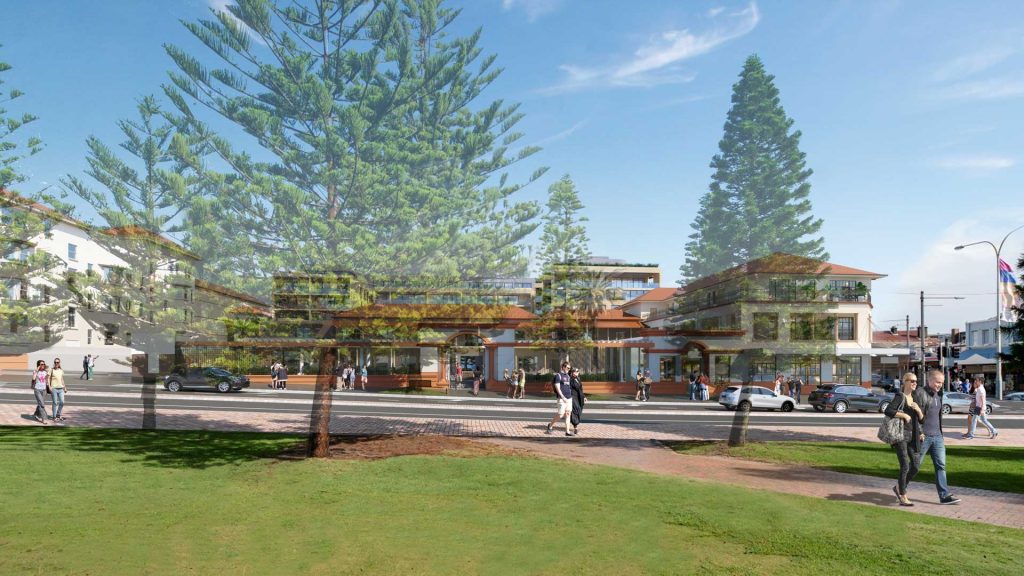
Coogee Bay Hotel submitted DA 437/2021, proposing to revamp the heritage-listed site as modern hospitality, leisure and entertainment precinct. The hotel is also considering an underground car park for 220 vehicles to service guests that will be coming to its new dining and shopping precinct.
Photo Credit: Coogeebayhotelredevelopment.com.au
“The applicant has engaged with Council over the past two years to ensure that the design reflects the desired future character of the Coogee local centre,” the developers stated.
“The project team has met with senior Council officers as well as the Design Review Panel on multiple occasions, and the feedback provided by Council has been useful and has assisted with the progression of the design.
“This proposal represents a considered mixed-use outcome with an integrated design which revitalises the site, complements the character of the area and provides public benefits back to the community.
Photo Credit: Coogeebayhotelredevelopment.com.au
“The objective of this redevelopment is to create a physical environment that will enhance the business in the years to come, while respecting the history and the role of the site in the community.”
However, the community’s biggest objection to the development revolves around the construction of a 23-metre apartment block within the hotel’s premises. Residents said that the proposed building will not only exceed the 12-metre limit for this Coogee area but the general plan will potentially ruin the community’s village feel.
Locals also opposed the underground car park as this will cause more traffic in a busy beachside area.
In November 2021, Council deferred the DA to the courts. Randwick Mayor Dylan Parker said that Council expressed to the developers that this “mammoth proposal” is totally incompatible with Coogee’s character and will impact many residents.
A petition to reject the plans has reached more than 8,000 signatures to date, while an advocacy group, Keep Coogee a Village, has also been established to fight the development.
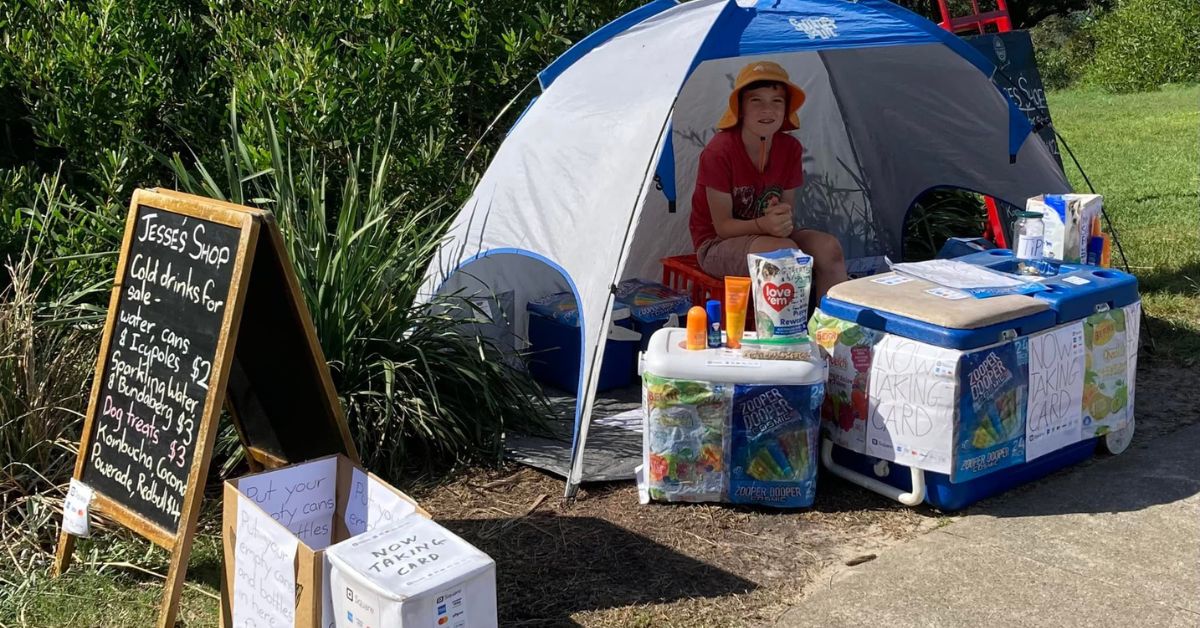
A young entrepreneur is earning support from the Coogee community for his ingenious business, Jesse’s Shop, at the Dunningham Reserve despite complaints that he should be shut down.
Jesse Lane, 12, has filed for a formal application to be allowed to operate as a stand and provide for the needs of the visitors to the reserve. He has also started a petition, which has received over 4,000 signatures, to allow him to keep his shop.
It comes as the young entrepreneur was included in the complaints about the commercialisation of the park. Locals said that if Jesse’s Shop is allowed to exist then there will be 20 more shops at the park in the future.
A spokesperson for the Randwick City Council also said that some locals voiced their concerns about the safety and welfare of the young man. In the past few months, Council has spoken to Jesse’s parents about the restrictions and limitations.
Jesse’s mom, Catherine, said that her son started selling so he would have something else to do during the weekends or school holidays. He first set up a basic lemonade stand with an honesty box that evolved into a store with various products.
Jesse sells bottled water, canned drinks, sun creams and even dog treats for people and pets who regularly get their exercises at the Dunningham Reserve.
Here’s what some of the Coogee locals have said about Jesse’s Shop:
Alexis: “He’s such a great young man. Really made me smile. We bought a drink off him a couple of days ago, loved how he asked if we’d like to add a tip! We got a weather forecast update and such a lovely chat with it. Had a bottle of water in my bag but couldn’t resist. Go Jesse!” Alexis
Lucy Bloom: “Some people think he’s being overworked because he’s there too much for a kid. I know nothing about his circumstances but was criticized when I gave him a plug on the Business Coogee page.”
Nadine Ebert: “I walked past one evening and his mum (I assume) helped him pack up and he kept offering stuff to passersby and I heard her telling him off that it was enough and to come home now. So I don’t think it’s the parents ‘overworking’ him. I think he is a great little entrepreneur, but the thought has crossed my mind that he is there a lot.”
Caroline Windsor: “I have seen one of the neighbors having a go – saying he was out too late in the evening on a school night during summer. So long as he is not doing anything illegal then isn’t it really between him and his family?”
Joan Juana: “First time I saw him in Dec 2020, I also wanted to give him a tip without buying anything, but didn’t have any cash on me. The next I saw him, he showed me his set up and I bought my sis a drink and gave him a handsome tip by card. He is a great kid and very polite and enterprising. Very impressive work ethic. We should be applauding him, not making complaints. He is on his way to a successful business enterprise or more.”
Matt Petersen: “We should be rewarding this kind of entrepreneurial spirit, not whinge about it. I love seeing his store. Wish he was allowed to sell cold beers!”
Aside from selling, Jesse also loves to chat with the locals and visitors. Part of what he earns from Jesse’s Shop is donated to the Australian Skin Cancer Foundation.
Eastern Sydney suburb residents have been left disappointed after the removal of a dozen 94-year-old Coogee Pier pylons that locals consider to be a part of the suburb’s history.
The removal was initiated by city officials due to concerns that leaving the pylons on the shifting sand, as was the previous practice after heavy rains, would be unsafe.
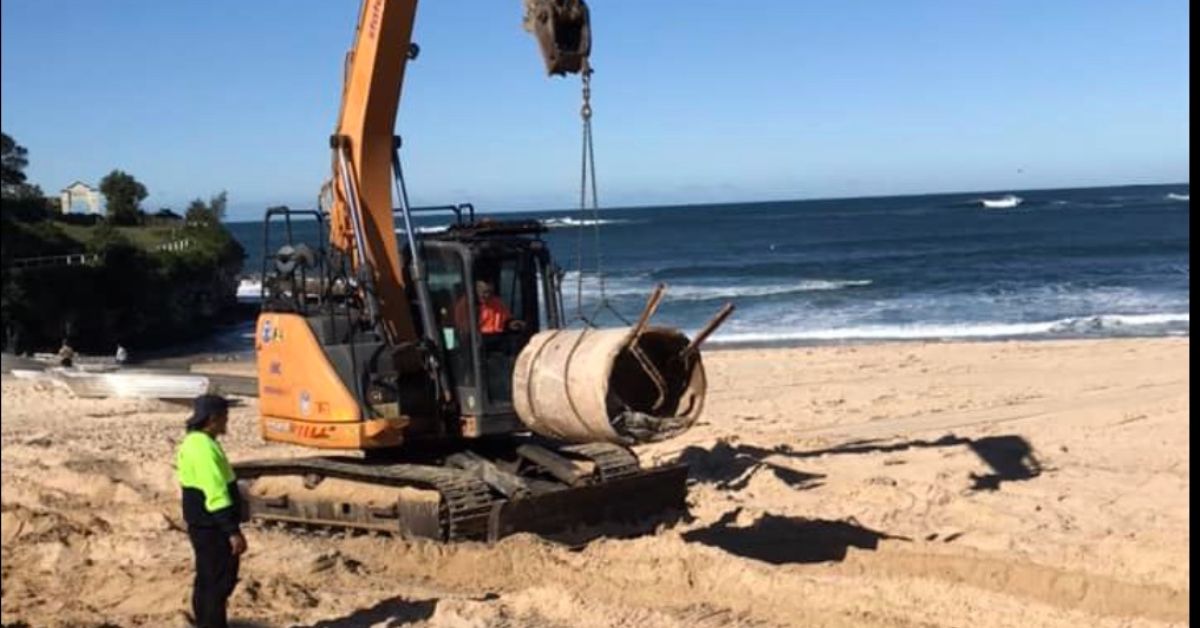
After days of rough weather, the 12 heavy timber and concrete pylons from the Coogee Pier were left exposed and dislodged. In early July 2022, contractors removed the fallen pylons, which are now in storage at the Randwick City Council depot.
Photo Credit: RCC/Facebook
“They aren’t heritage-listed items but we do understand their local cultural importance and the affection that many residents hold for them as well,” Deputy Mayor Kym Chapple said. “As a changing climate continues to impact our beaches we need a plan for how to respond to that.”
However, some residents believe there is no safety issue. One resident, who has lived in Coogee for 70 years, said that she has not heard of any complaints from beachgoers since the pylons rarely resurface.
Residents last saw the Coogee Pier pylons after a May 2020 storm. A Coogee native who regrets the removal said that these reappearances were like “visits from old friends”
Photo Credit: RCC/Facebook
History of the Coogee Pier
It took four years to build the Coogee Pier, which was inspired by the Brighton Pier in England. Delays marred the construction of the 180-metre pier with a ballroom/restaurant facility due to issues with the Council and the contractors.
The pier opened in 1928 and was once the favourite venue for concerts, dances and other celebrations. At night, surfing and swimming were allowed as the pier had floodlights all around. These evening events attracted 30,000 visitors to the beach.
Photo Credit: RCC
Photo Credit: RCC
In 1934, the pier was completely demolished due to structural concerns. Locals believed that the pier could not withstand the rough surf, despite assurances to the contrary from the contractors. All that remains of the site are the pylons that once held the pier.
Pylons Stonehenge?
Residents suggest reinstalling the pylons as a monument similar to Stonehenge in England. Ms Chapple did say that there are plans to return the pylons to a public site where the residents can appreciate them.
“In the meantime, we’ll take good care of the pylons as we investigate how we can best acknowledge their unique historical significance,” the deputy mayor said.
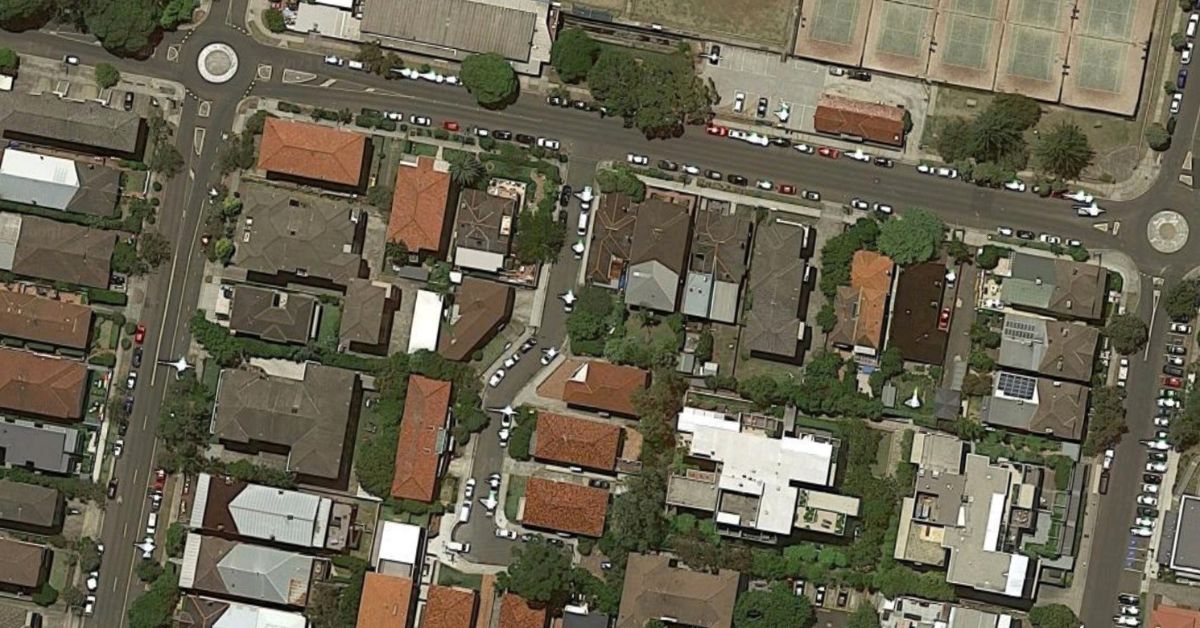
Glenwood Ave in Coogee is a cul-de-sac off Dolphin St, one of the shortest streets from among those that were subdivided, developed, and named in 1937. It has over a dozen art-deco style, two-storey structures. Did you know that some of the most interesting people in Coogee’s history have called Glenwood Ave their home?
The area was part of the estate of George Catley, the son of Charles Catley, the pioneer who was regarded as the Father of Coogee. Charles, the community leader, has been credited for helping turn Coogee, a formerly isolated area, into a resort town. His market garden was quite profitable in the 1880s, allowing him to buy allotments that bordered Coogee Bay Road, Dolphin St, Brook St and Mount St.
Photo Credit: National Library of Australia
Photo Credit: National Library of Australia
The Barcs
Dr Emercy Barcs and his wife Vica settled into a unit on 5 Glenwood Ave at the start of World war II. They were immigrants from Hungary who shunned the fascism brewing in Europe.
Photo Credit: National Archives of Australia
The couple occupied 5 Glenwood Ave and tried to recreate a semblance of their life in Hungary. The doctor published an autobiography in the 1980s of his life in Glenwood Ave. Dr Barcs worked as a journalist for many organisations, including the Australian Broadcasting Commission (ABC).
Soon after the Barcs moved into Glenwood Ave, other Hungarians followed. Dr Barcs was opposed to turning their cul-de-sac into an area of minority groups living together but the street was eventually known as a Hungarian-Australian neighbourhood.
William John Stones
William John Stones was also a resident of 5 Glenwood Ave. He was the son of William and Bridget Stones, the family famous for establishing the Stones Milk Bar and nightclub along Dolphin St., which opened in 1922. Stones Milk Bar was a family place and hangout for people of all ages who enjoyed its milkshakes, ice cream, and fruit cocktails.
Famous people have sat at the booths of the milk bar, including Prince Philip, who was then a naval officer about to get married to then-Princess Elizabeth, the future Queen Elizabeth II.
Stones Milk Bar closed in 1967, years following the death of their patriarch. Its premises were later converted into the Coogee Comedy Theatre Restaurant.
William John used to cite his home address on Dolphin St in documents and papers until he moved to Glenwood Ave after serving the Royal Australian Air Force (RAAF) during the war. He was educated at the Marist Brothers in Randwick, which later became the Marcellin College Randwick. William John also attended St. Partick’s Business College.
Before serving in the war, William John worked as a refrigerator factory mechanic in Pyrmont and was proud that he came from pure European descent. For his years in the RAAF, William John was a Fitter Armourer and was discharged as a sergeant.
Olga Hochstadt, formerly from Czechoslovakia, lived in one of the units on 10 Glenwood Ave. Their family became prominent when they opened their home to several Coogee Jewish community events, prior to the construction of the Coogee Synagogue in the late 1950s.
Noni Elizabeth Leveson
Noni Elizabeth Leveson was the daughter of Voltaire Molesworth, a famous journalist and politician. Noni lived in 1 Glenwood Ave with her husband, John Levenson. Their divorce in 1949 became a public spectacle, prior to the no-fault divorce reform legislation.
More people will soon get to enjoy this popular Bondi store’s well-loved lox and chicken schnitzel bagels, as Lox in a Box gets ready to expand with two new venues at Coogee and Manly.
Come August, a new Lox in a Box store will open in Coogee with the Manly location following soon. Both locations will mirror Bondi’s offerings, although the Manly space will be much bigger which is enough to accommodate dine-in customers.
The bagel menu will include the classics: cured salmon bagel with a schmear of herbed cream cheese, tomato, onions and baby capers; and veggie bagel stacked with beetroot, Jalapeño cream cheese, onion, carrot, tomato, pickles, cheddar cheese and rocket.
There’s also the chicken schnitzel bagel made with cheddar cheese, mayo, peri-peri and lettuce; and the fried NZ hake fish bagel with tartare sauce, American cheese and lettuce. Customers have the option to add extras and sides.
Last February, the pair opened Fed Kitchen on Avoca Street in Randwick for their deli and catering business. The store offers (apart from open-faced bagels) takeaway meals, coffee, salads and pastries with the shop front also serving as a showroom.
Lox in a Box has become Bondi’s favourite spot for everything bagels since owner Cany Berger (Fed Kitchen catering) and partner Gaia Lovell opened their first hole-in-the-wall takeaway shop in 2019. The lox joint offers three delivery options: Pre-made, Build-Your-Own Bagels and Shabbox on a Friday.
The exact locations of the two new outlets are yet to be revealed but they hinted on their social media post that the location of the Coogee venue “sounds like ‘Have A Lox’ Avenue!” Well, I think you know where that is.
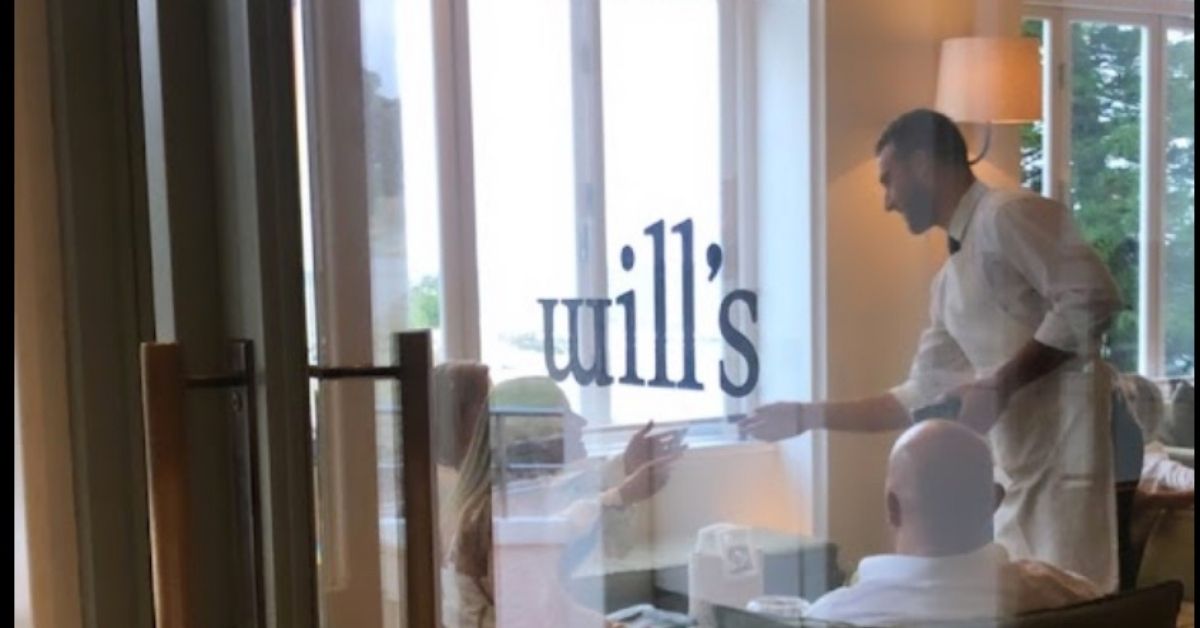
Find out why Will’s is a popular choice among Sydney’s best chefs. The cocktail bar, located at the Coogee Pavilion, next to the popular fine dining restaurant Mimi’s, and the tapas bar Una Mas, is the quintessential place for hanging out and enjoying drinks amidst the breathtaking view.
Will’s opened in January 2020 as part of a trio of eateries on the middle floor of the rehabilitated Coogee Pavilion. Offering cocktails with a view, the bar’s bright surrounding during the daytime is perfect for early afternoon indulgences. At night, Will’s mood and vibe are more subdued and fitting for sipping drinks, chatting, unwinding, and capping off a busy day until the late hours.
The European-inspired location, with leather seats, parquet floors, and a horseshoe bar connotes an easy, flowing, and elegant atmosphere, inviting patrons to bring their friends along or stay awhile and soak in the scenery with a glass of martini. The most popular seats are by the window so that guests can enjoy the view of Coogee Beach.
Photo Credit: Google Maps
Will’s cocktail list from day to night features a variety unlike any other. The list changes regularly to incorporate fresh flavours or the season’s best ingredients. However, their martinis, infused with local ingredients instead of vermouth or olive brine, are a consistent favourite.
Photo Credit: Aiche_Kaye/Instagram
As with the drinks, the food served at Will’s changes to showcase the best produce available. But patrons may expect to indulge in elevated bar food like spinach croquette romesco or prawn skewer a la plancha with bacon that marries well with their drinks. Patrons could also order food served at Mimi’s and Una Mas.
Walk-ins are welcome at Will’s, which opens from 12:00 noon till late at night. For bookings with groups, visit the Cogee Pavilion Merivale site or phone +61 2 9114 7382.
Coffeeroom may be a little small for lounging around in groups during brunch but it offers the tastiest coffee with the most delectable sandwiches, panini, and some of the most delicious pastries in town. If you’re lucky, you can even catch some batches of Portugal’s popular Tuga pastries.
Coffeeroom has a limited menu because the site itself has no kitchen. However, the shop does have some very filling food choices that will satisfy when you’re out on errands and you need a quick fix.
The store prepared to open amidst the uncertainty of the pandemic in early 2021. Despite the situation, Coffeeroom’s owners managed to stay afloat. It might have helped that the spot is within walking distance to a few busy Coogee areas, such as the McIver’s Bath and the beach.
Cooffeeroom has an interesting fit-out. It’s Scandinavian-themed so the aesthetics are simple and straightforward.
For such a small space, it still feels absolutely inviting and cosy. There are a few seating areas but the cafe was positioned to be the go-to eatery if you’re alone or with one pal and you’re not planning anything grand.
The cafe shares the same operators as the laundromat next door to the Washroom along Arden St in Coogee.
The shop is open daily from 6 a.m. to 2:00 p.m. Check out its drink menu on Hey You!
Photo Credit: Tom Butler
Best coffee I’ve had in nsw. Tastes like Melbourne coffee. Think it’s quite new, will be the most busy in Coogee I’d say soon. Keep up the cheery service.
Steve
Finally some good coffee in Coogee!! We have been waiting for a local coffee spot that tastes this good for ages, and they even stock Tuga pastries!
G Hill
Just got my first coffee and it’s refreshing to find a barrister in Coogee who can make a 5-star long black! Excellent coffee. Lovely space. Service with a smile.
Coogee is one of the most popular beach destinations in Sydney, but did you know that its reputation as a relaxing seaside resort hub wasn’t sealed until 1902, when the advent of the electric tram connected Coogee to Randwick?
A painting by Charles Conder and Tom Roberts from 1888 depicted the earliest indications of Coogee’s potential as a resort suburb. For a long time however, ocean swimming was not widely encouraged in Coogee due to safety concerns. Most people could only swim in the baths and the shallow waters during the daytime.
The name ‘Coogee’ was believed to be derived from the Aboriginal word ‘koojah,’ the distinctive smell of dried seaweed that often washes up on the shoreline. ‘Koojah’ is from the Dharug language of the Eora nation that lived in Sydney’s metropolitan area before the arrival of the European colonisers.
The Eora nation has different clans but historians believe that the Bidjigal and Gadigal people occupied the Coogee area. Men and women fished for food using spears and canoes made of bark. They also gathered shellfish, ferns and figs. By the 1820s, hikers, adventurers, hunters, and lumberjacks frequented Coogee through South Head.
The arrival of the Europeans was devastating for the Aboriginal people who were wiped out by diseases like smallpox, that were brought in by the colonisers. Social disruptions and killings also forced the Aborigines to relocate to Sydney Cove.
By 1838, Coogee was recognised as a village by the NSW Executive Council. It comprised Coogee Bay Road (Whale Street), Alfreda Street (Bondi Street), Bream Street (Fish Street), and Belmore Road (Coogee Road). The foreshore was considered an area for public reaction while the south side was designated as a swampy site.
With the passing of time and with the installation of the tram lines, Coogee attracted more people who loved to reap the therapeutic benefits of the baths. The wealthy also made Coogee their resort residence. Construction of seaside villas surged.
1840s: Charles Catley, The Father of Coogee
There are no street names and landmarks named after Charles Catley in Coogee. His legacy as a local resident was mostly commemorated in contemporary times.
Whilst Mr Catley’s house no longer stands, the original sandstone retaining wall has remained. Per the NSW Heritage Office, this wall is evidence of the beginnings of Coogee’s development.
Photo Credit: Google MapsPhoto Credit: Google Maps
But who was Mr Catley?
He was recognised as the first white person who lived in Coogee. Born in 1825 in Melbourn in the Cambridgeshire village in the U.K., Catley arrived in Sydney in 1848. Then 23 years old, Catley bought a large parcel of land on Brook St, Coogee after marrying Charlotte McClenahan. Part of this land is now the Coogee Oval.
The Catleys started a fruit and vegetable business in Coogee in the 1850s, bringing cauliflower seeds for farming on his property. When the area became a recreation destination, his wife also established one of the first shops that sold food and refreshments to tourists.
The couple have been community leaders who helped establish the St Nicholas Anglican Church and supported the development of Coogee Bay Road as a centre for commerce. They were very involved in the community whilst raising seven kids.
Their market and refreshments businesses became profitable and Mr Catley was able to buy more of the neighboring land. He built Cauliflower Hall, a two-storey, six-bedroom Georgian house on his main property. Needless to say, his family became extremely wealthy after his death.
Photo Credit: National Library of AustraliaPhoto Credit: National Library of Australia
1870s: The Establishment of Coogee Public School
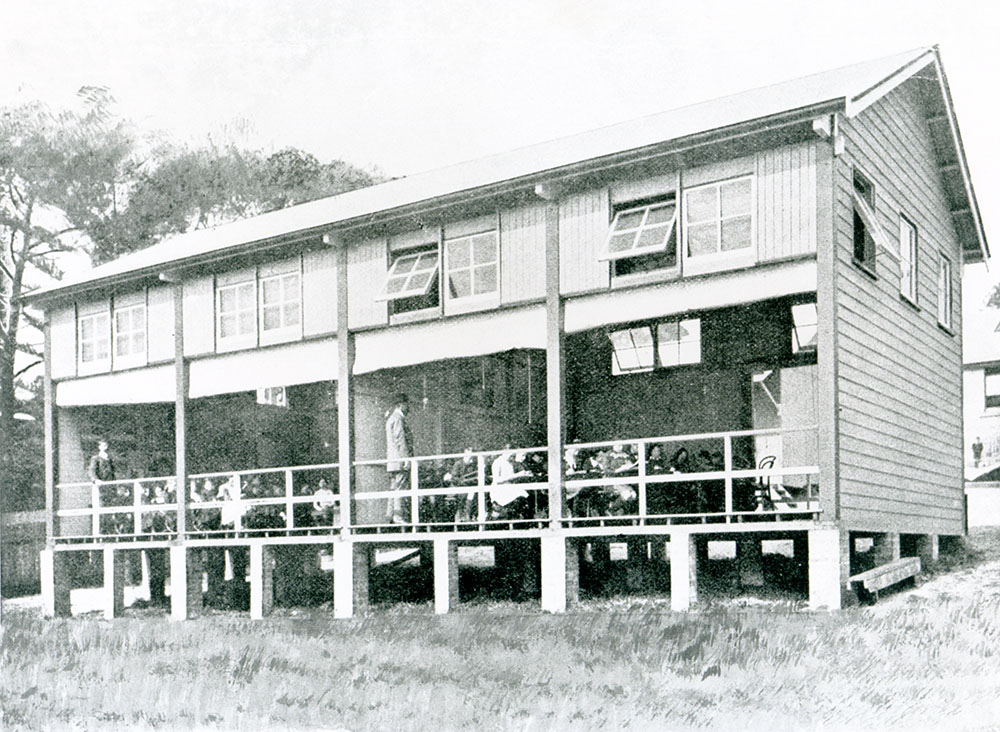
Coogee Public School was established in 1876 with 50 students under their first teacher, William Wardrop Cameron. He was originally from Glasgow, England, and became a teacher in Hunter Valley in the 1850s before moving to Sydney.
Mr Cameron retired in 1891 but established a private school in Randwick before moving to Marrickville. He died in Rockdale in 1906.
By the turn of the century, the school had grown to 150 students. As the school expanded with more students, the overcrowding was addressed with the construction of a two-storey building on the paved sand hills.
In 1928, a new brick building opened on the southern end of the old watershed, followed by another brick building construction in 1935.
From the 1930s to the 1970s, the student body of Coogee Public School reached over a thousand. However, in 1976, in its centennial year, the school had more than 500 students. This number has been consistent for many years and the school remains one of the largest primary schools in Sydney’s Eastern Suburbs.
During the European settlement bicentenary celebrations in 1988, a time capsule was buried in the school grounds, to be opened in 2038.
1880s: The Arrival of the Trams
In the 1880s, members of the Randwick Council Chamber urged the government to extend the tram network from Randwick to Coogee Beach for weekend visitors to the coastal town.
At the time, an average of 7,000 passengers travelled to the beach on horse-drawn carriages regularly with many proceeding to walk the long road from the Randwick terminus to Coogee.
Work on the tramlines started in 1881 and services became regular in 1883. By 1905, additional trams brought in more visitors, including moonlight excursions to Coogee Beach.
The last tram service in Coogee operated in October 1960. By then, more and more commuters were opting to ride the bus, which was introduced to the city in the 1940s.
1880s: The Opening of the Coogee Palace Aquarium
Coogee Palace Aquarium, designed by Sydney-born architect and painter John Smedley, along Dolphin St was built around the same time as the tramlines. Mr Smedley also designed buildings in China and Japan; the Sydney Trades Hall; banks and buildings in Toowoomba and Townsville in Queensland; and the Wesleyan Church at Stanmore.
The aquarium was the premier recreational site for locals and visitors to rival the entertainment precinct of Bondi and Manly. Here, children had plenty of play facilities to explore at the amusement park. Meanwhile, the rest of the family had heaps of outdoor spots to enjoy such as the bandstand, the aviaries, the beautiful gardens, and an open-air bar.
Coogee Palace Aquarium also housed the most popular swimming pool in Sydney, next to the roller skating rink and the dance area known as The Great Hall. The site could accommodate 3,000 people at a time.
Sadly, as Coogee slowly rose to become a surfing community when ocean swimming was no longer outlawed, patronage to the aquarium precinct declined. The structure was soon neglected and was ordered for demolition by the Heritage Council in the 1980s after a strong wind destroyed the dome.
Today, the Coogee Pavillion, a dining and retail precinct, can be found where the Coogee Aquarium once stood.
At the turn of the century, Coogee opened other public facilities like Wylie’s Bath, the Coogee Surf Life Saving Club, and the Grand Pacific Hotel. These sites have become popular institutions in Coogee and have remained in operation even today.